Adolescent Development and the Justice System (ADJust) Lab
Lab Supervisor: Dr. Cait Cavanagh
Lab Information: The ADJust lab focuses on two broad, interrelated concerns: (1) the dynamic relation between adolescent development and contact with the juvenile justice system; and (2) ways that law and policy can better support marginalized families whose children come into contact with the justice system. It is our goal to inform policy using developmentally-sound research to improve how the justice system interfaces with children and families, from police to judges to probation officers to child welfare workers.
The Police Research Lab
Lab Supervisors: Dr. Scott Wolfe & Dr. Jeff Rojek
Lab Information: The Police Research Lab (PRL) is a working group of doctoral students and faculty in the School of Criminal Justice (SCJ) at Michigan State University (MSU) that conducts research related to policing and police officers. The PRL is directed by Drs. Scott Wolfe and Jeff Rojek from the SCJ. The purpose of the PRL is to provide a mechanism for Drs. Wolfe and Rojek and their doctoral students to work collaboratively on police and policing-related research projects. Lab members routinely engaged in practitioner-researcher partnerships with police departments around the United States and federal law enforcement agencies. These projects result policy-oriented reports for these agencies and peer-reviewed publications. The lab also conducts research on existing datasets to address timely publications and presentations with practical and theoretical significance.
Teaching, Researching, and Understanding the Social Science of Trust (TRUSST) Lab
Lab Supervisor: Dr. Joe Hamm & Dr. Jennifer Carrera
Lab Information: The Teaching, Researching, and Understanding the Social Science of Trust (TRUSST) Lab is an interdisciplinary research incubator for PhD student-led projects that advance the theory and practice of trust. Students from across campus are welcome to attend meetings and help support core lab projects. PhD students who join the lab are then invited to propose new lab projects and to request funding which can be used for research, travel, or professional development. All project and funding proposal decisions are made collectively among the lab. Project and funding proposals are generally accepted when they advance the social science of trust, have clear practical implications, and mesh with the interests and skills of other lab members. To the extent possible, the lab also supports students in identifying and working with practitioner organizations who have a practical interest in our research. Our lab meets every other Friday from 10:30 to noon. Our typical meeting structure starts with a broad discussion of trust research, lab project updates, and concludes with general discussion.
Terrorism, Extremism, and Cybercrime (TEC) Lab
The Terrorism, Extremism, and Cybercrime (TEC) Lab is housed within the School of Criminal Justice at MSU. Established in the Fall of 2023, the TEC Lab serves as a facilitating space for graduate students and faculty members to collaborate on research projects, share ideas, connect others with resources, provide specific trainings, and more. The lab was created to unify members of the Criminal Justice department at MSU who all share an active interest in conducting research in the areas of terrorism, extremism, and/or cybercrime. In the future, the lab foresees the inclusion of undergraduate students as well as students and faculty outside the Criminal Justice department. For more information on the lab or to get involved, please contact Keara Werth M.A. or Daniella Ferrante.
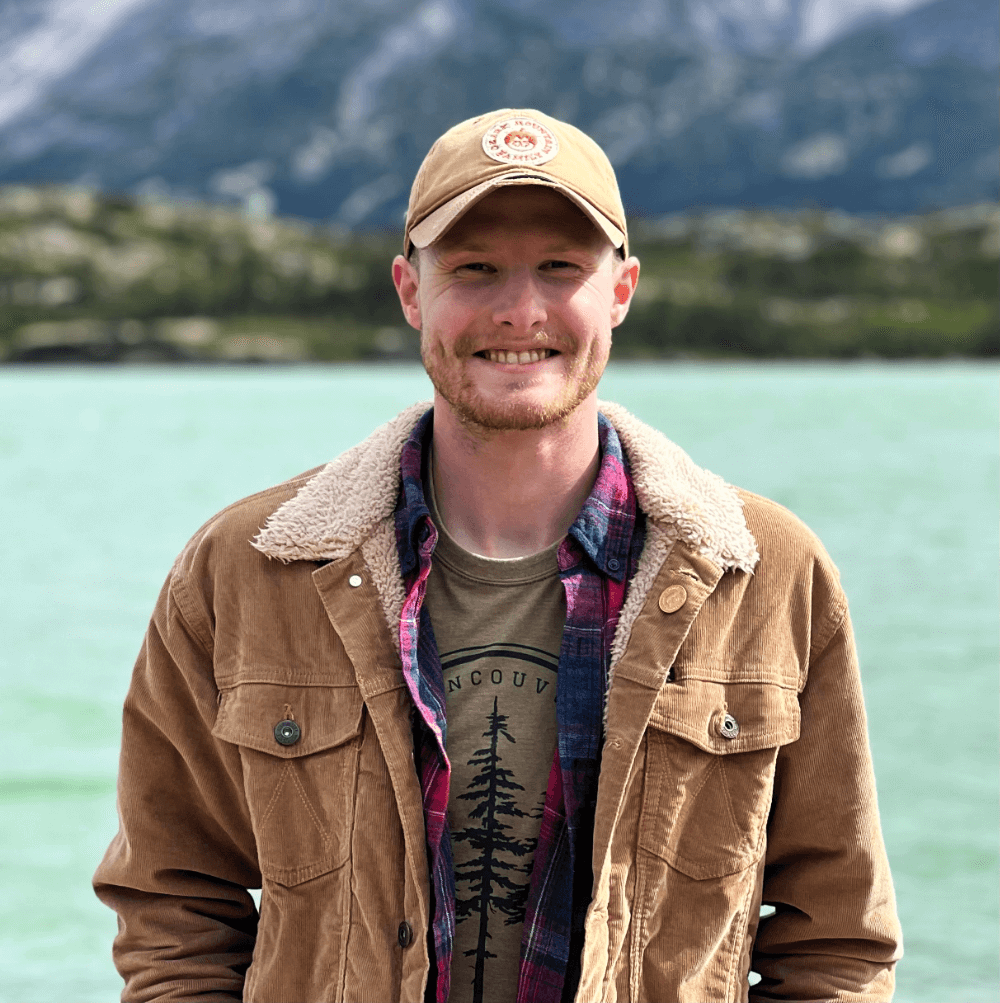
Austin Barber
Doctoral Student
READ AUSTIN'S BIO
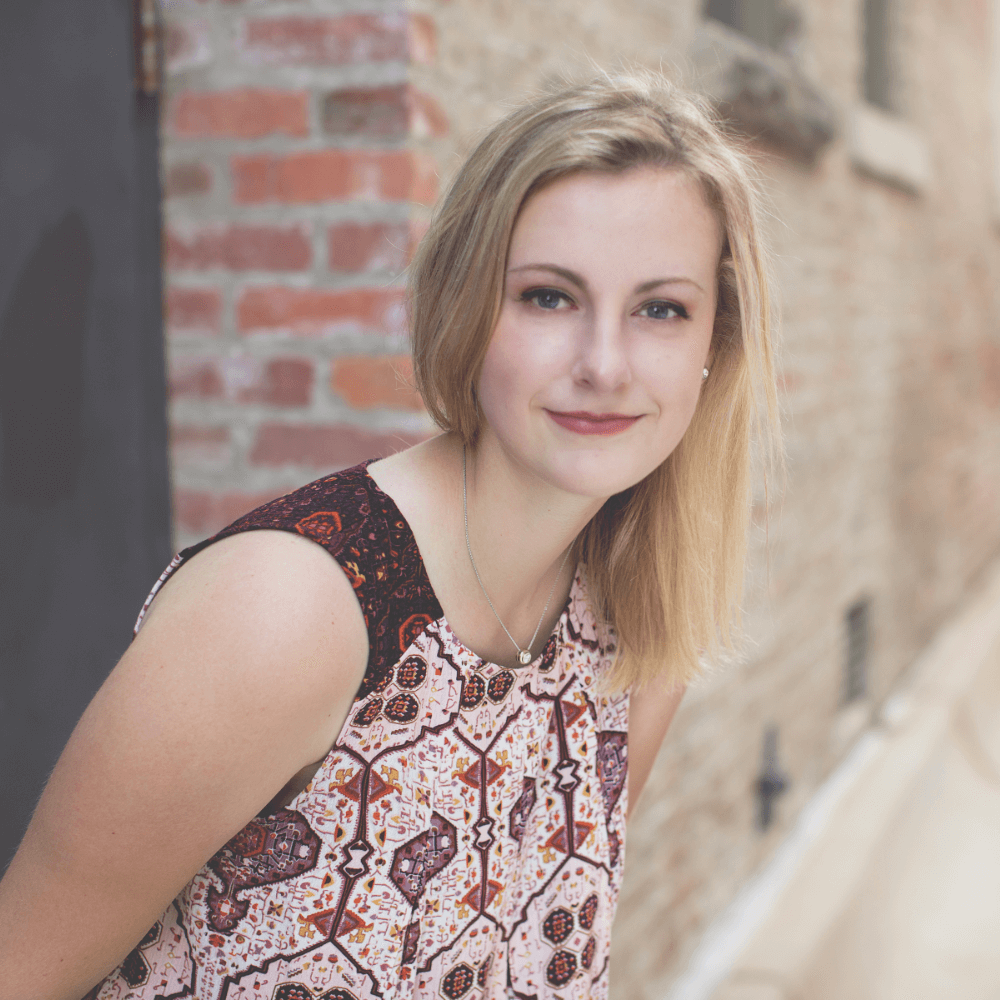
Kait Campbell
Doctoral Student
READ KAIT'S BIO
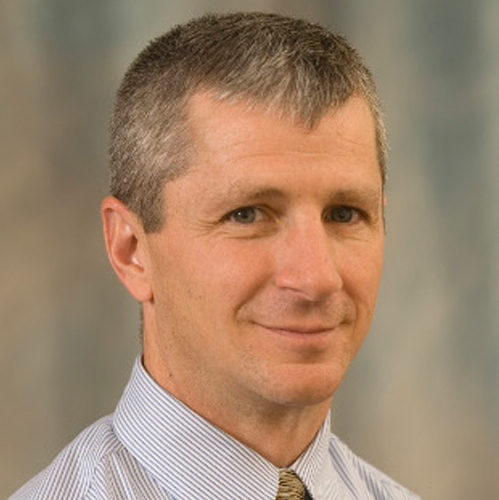
Dr. Steve Chermak
Professor
READ STEVE'S BIO
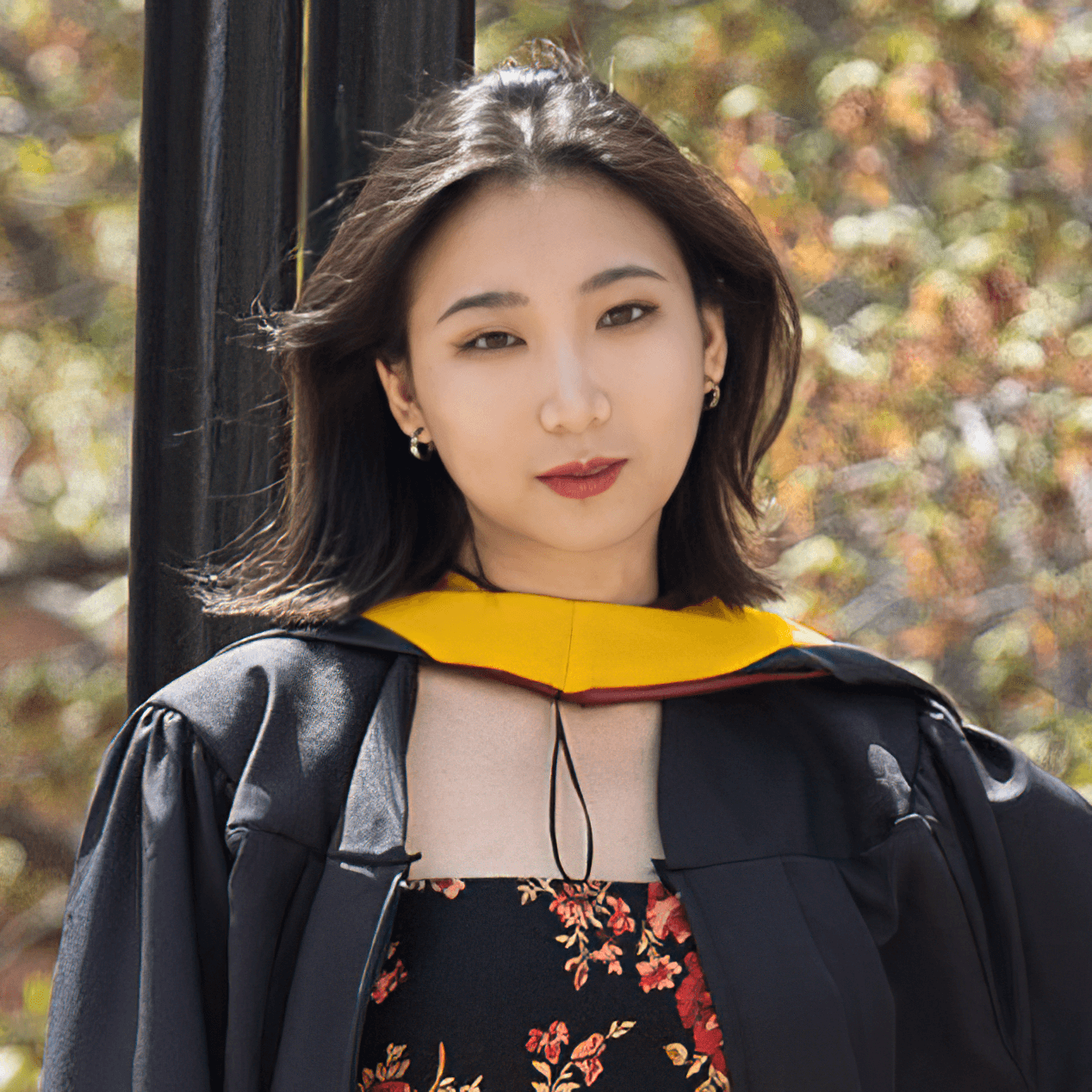
Kexin Cui
Doctoral Student
READ KEXIN'S BIO
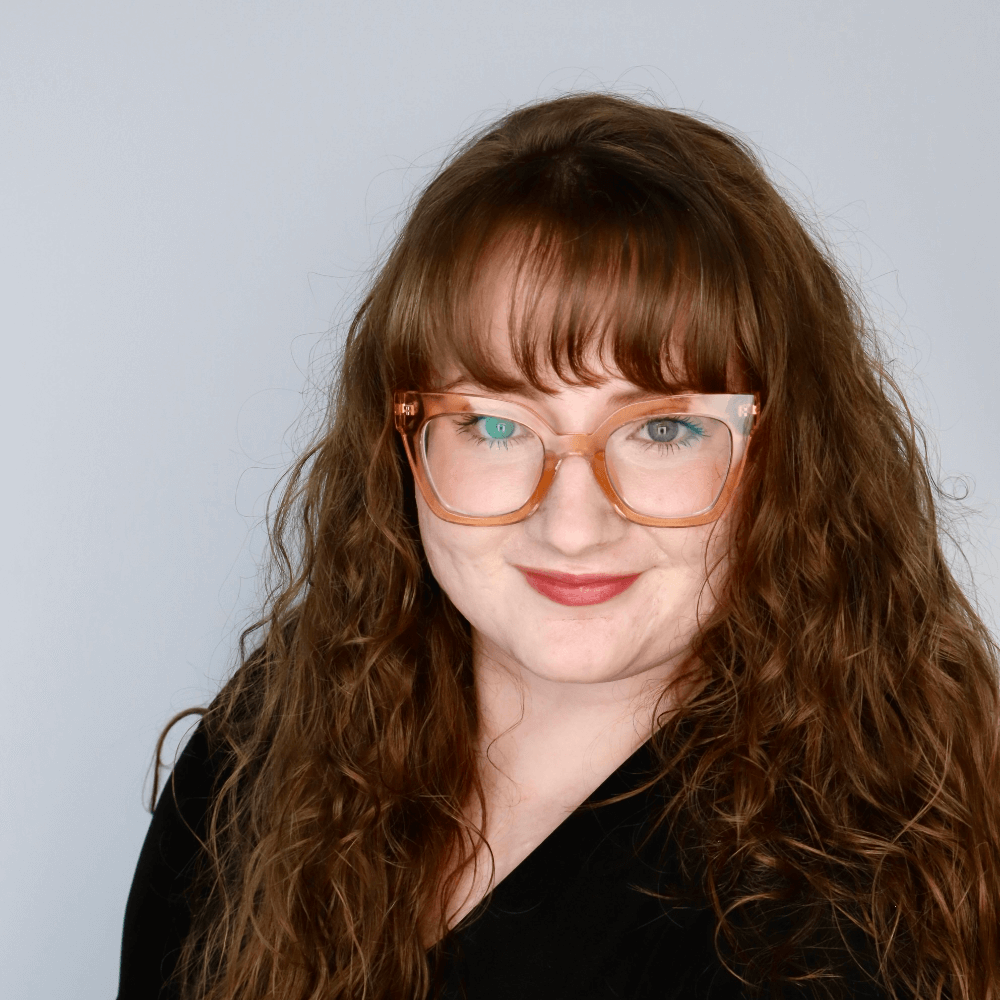
Daniella Ferrante
Doctoral Student
READ DANIELLA'S BIO

Tiana Gaudette
Doctoral Student
READ TIANA'S BIO
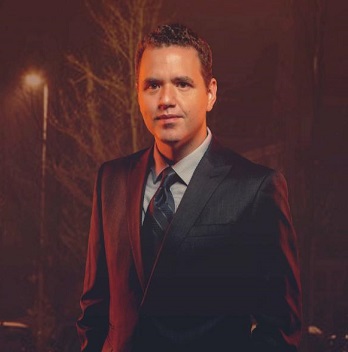
Dr. Tom Holt
Professor
READ TOM'S BIO
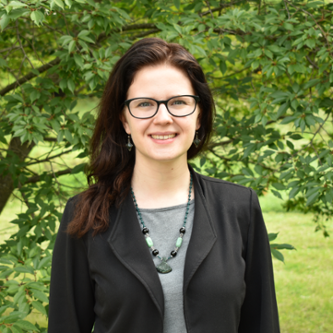
Sydney Litterer
Doctoral Student
READ SYDNEY'S BIO
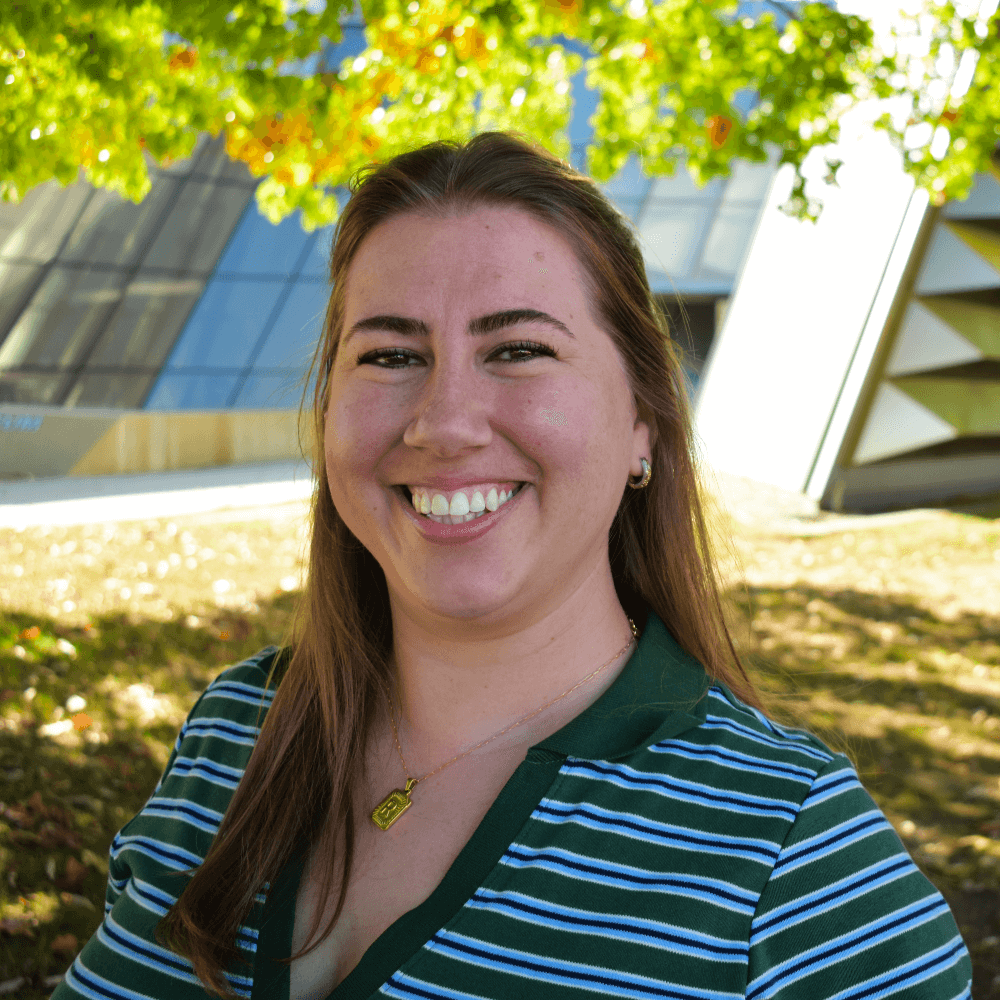
Dr. Rachel McNealey
Assistant Professor
READ RACHEL'S BIO
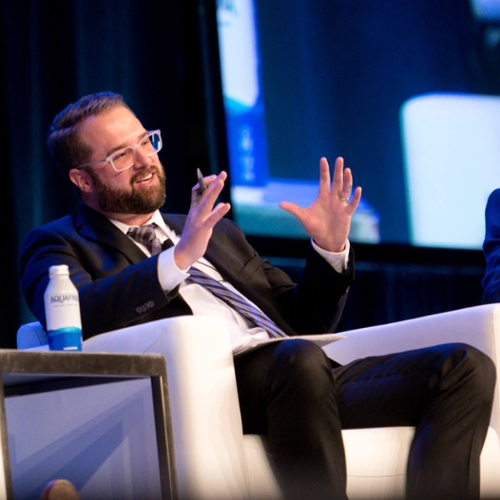
Dr. Ryan Scrivens
Associate Professor
READ RYAN'S BIO
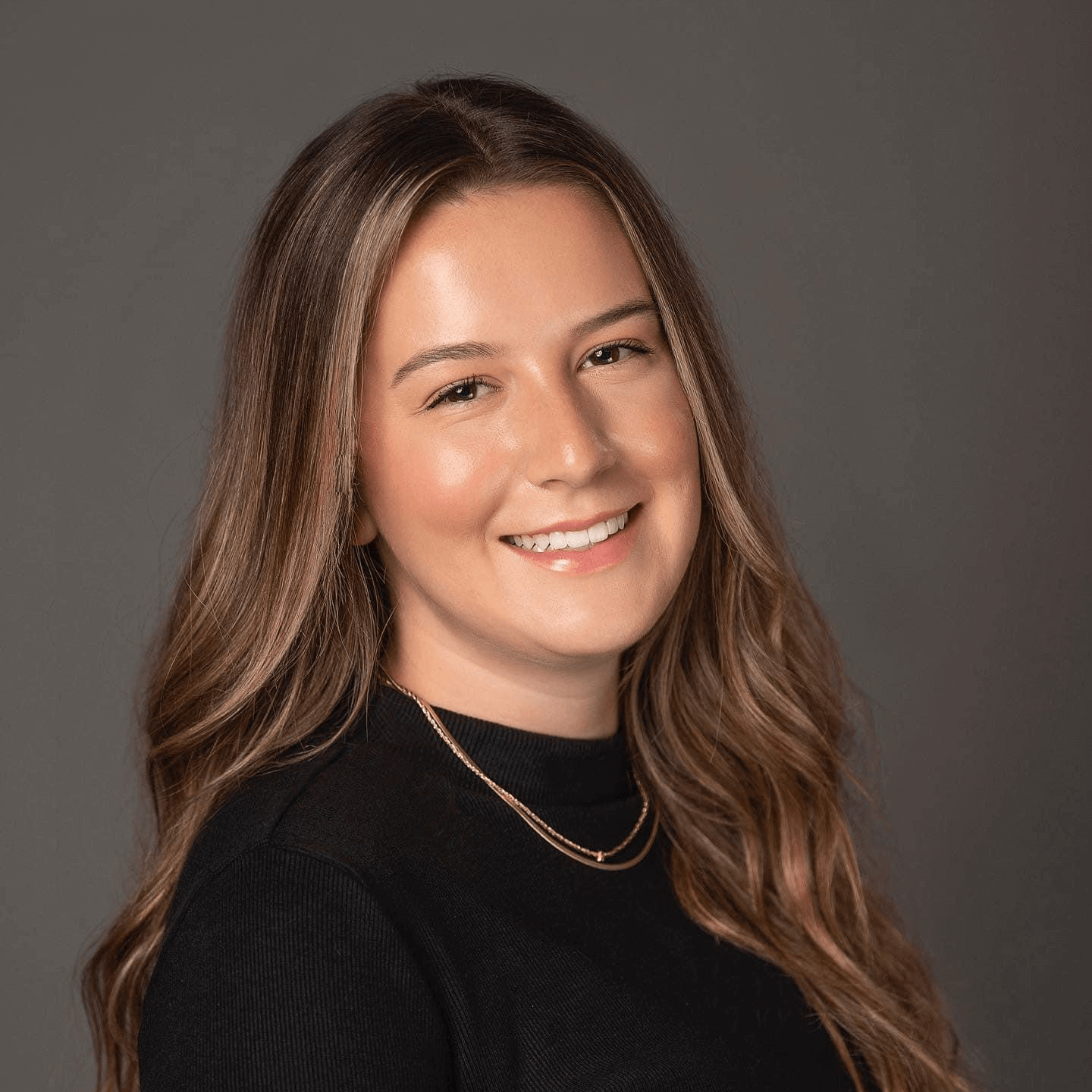
Ella Waldspurger
Doctoral Student
READ ELLA'S BIO
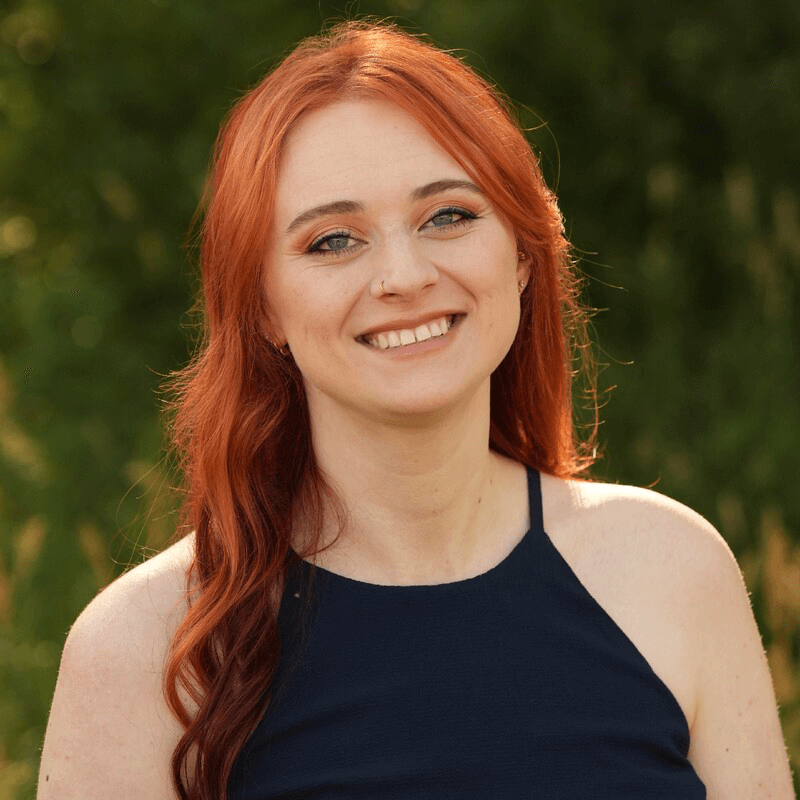
Keara Werth
Doctoral Student
READ KEARA'S BIO